
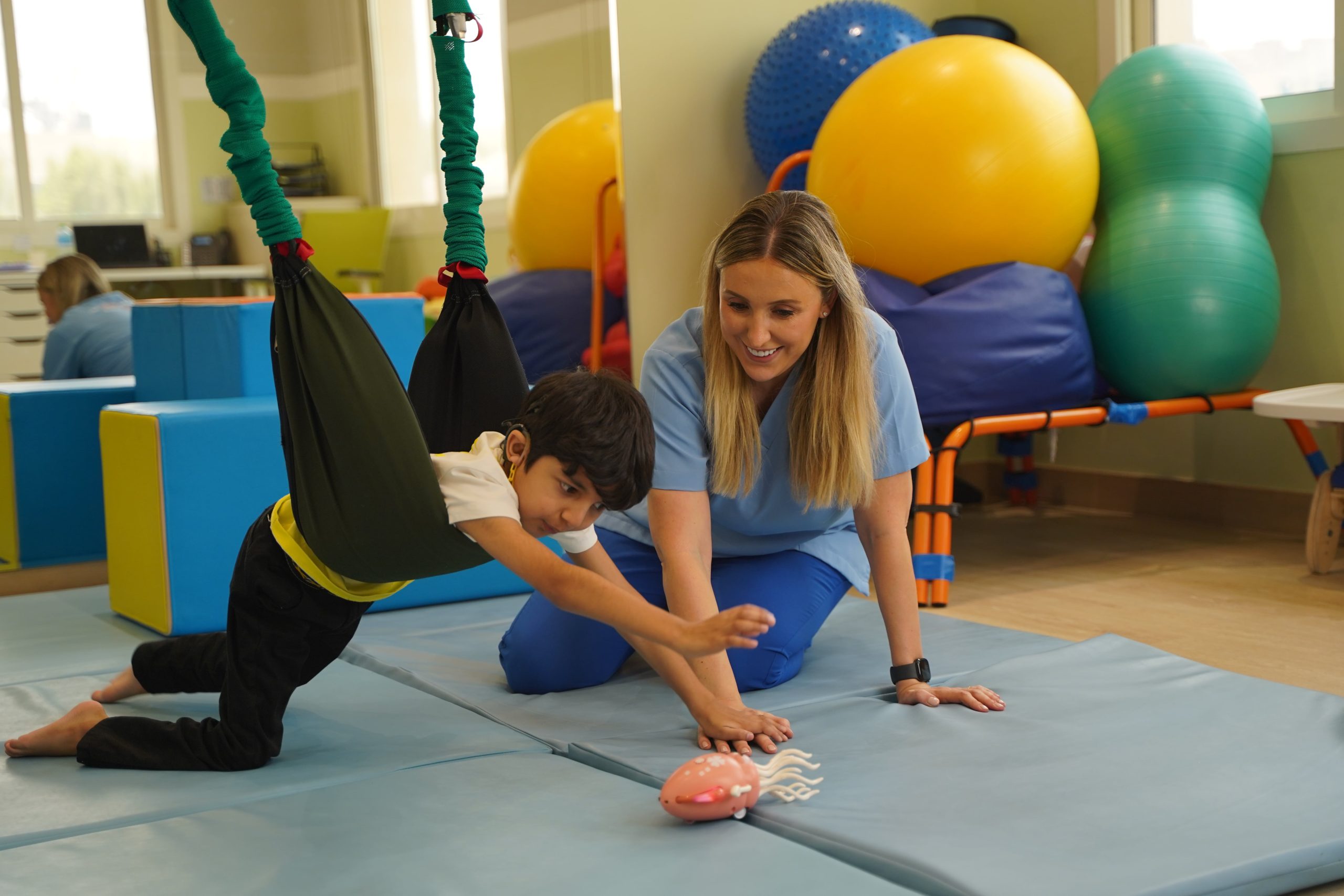
A child may understand exactly what needs to be done yet struggle to get started, follow instructions, manage frustration, or finish a simple task. These difficulties can affect everything from getting ready for school to completing homework and interacting with others.
Occupational therapy in UAE helps children build practical strategies for managing these everyday demands, developing greater independence and confidence along the way. This guide explores how targeted support can help children strengthen executive functioning skills and participate more comfortably in daily life.
Building better daily routines
Occupational therapists help children break daily activities into manageable steps. Getting dressed, packing a school bag, preparing homework materials, and following bedtime routines all provide opportunities to practise sequencing. Visual schedules, checklists, timers, and simple prompts can support consistency. Children gradually learn to recognize what comes next and complete familiar routines with greater independence.
Strengthening attention and focus
Attention develops through purposeful activities that match a child’s interests and abilities. Therapists may use games, puzzles, crafts, movement tasks, or tabletop challenges that encourage sustained concentration. Activities can gradually increase in complexity as the child becomes comfortable. Short practice periods also allow children to experience success without creating unnecessary frustration during therapy sessions.
Supporting emotional regulation
Executive functioning connects closely with emotional control. A child may struggle to pause, manage disappointment, or shift attention after becoming upset. Occupational therapists introduce practical regulation strategies such as breathing exercises, movement breaks, sensory activities, and quiet spaces. Children practise recognizing body signals and selecting suitable strategies during challenging situations, supporting calmer responses during school and home routines.
Developing flexible thinking
Unexpected changes can challenge children who rely heavily on familiar routines. Therapy activities introduce small changes in a supportive setting, helping children practise adapting their responses. These exercises encourage flexible thinking and help children respond to everyday changes with greater confidence.
Improving task organization
Schoolwork can become difficult when several steps compete for attention. Occupational therapists teach children to divide larger assignments into smaller actions, gather required materials, and track completed steps. Colour coding, written checklists, visual reminders, and organized workspaces can simplify these routines. Children practise these methods repeatedly so they become familiar tools during classroom and homework activities.
The goal of occupational therapy extends beyond completing individual activities during sessions. Therapists help children apply useful strategies across school, home, and community settings. Parents and teachers can reinforce the same routines through consistent language and visual cues.