
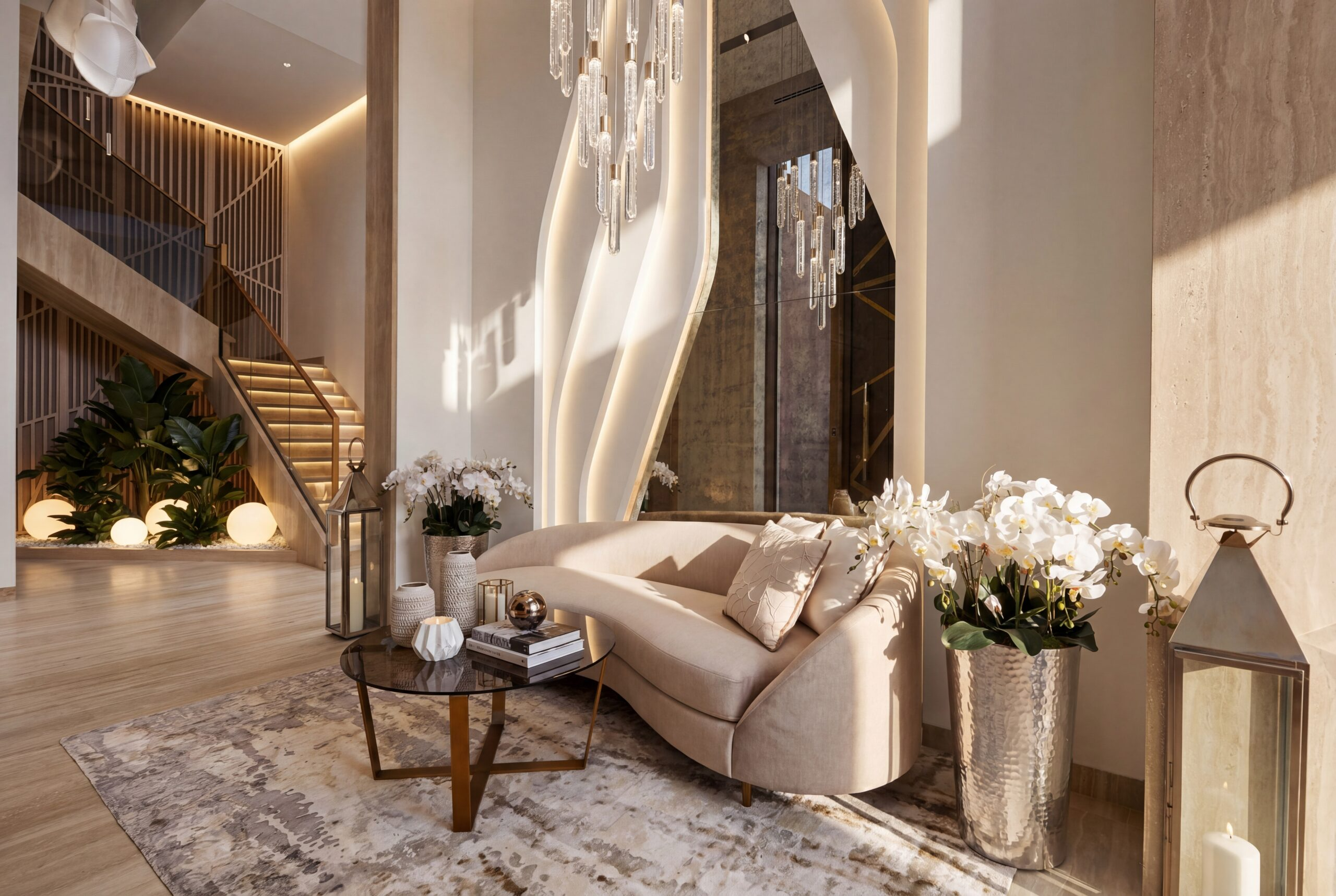
A comfortable home starts with rooms that support daily routines and reflect personal taste. Colour, lighting, furniture, texture, and proportion all influence the mood of a space. Good design balances beauty with practical living, helping every room serve its purpose. Advice from interior design companies in Dubai also helps homeowners make confident choices and avoid costly decorating mistakes.
Balance function with visual appeal
Every room should serve a clear purpose. A living room supports conversation and relaxation, while a kitchen requires accessible storage and efficient work surfaces. Choose furniture according to daily activities and available floor space. A beautiful room loses its appeal when movement feels restricted or essential items remain difficult to reach.
Choose a cohesive colour palette
Colour sets the mood throughout a home. Soft neutrals offer a calm backdrop, while deeper shades add character and contrast. Select a main colour, then introduce complementary tones through upholstery, rugs, artwork, and accessories. Keep a consistent palette across connected rooms to maintain visual harmony, while giving individual spaces their own personality.
Use lighting in layers
Good lighting supports different activities and adds depth to interiors. Combine ambient lighting with task lights and decorative fixtures. Ceiling lights illuminate general areas, pendant lamps highlight dining tables, and reading lights support quiet corners. Natural daylight also deserves attention, so avoid heavy window treatments that block sunlight during the day.
Pay attention to scale and proportion
Furniture should suit the dimensions of each room. Oversized sofas can crowd compact living areas, while tiny accessories may look lost in large spaces. Measure walls, doorways, and furniture before purchasing major pieces. Leave enough room around tables, chairs, and cabinets so residents move comfortably and every item feels balanced within the setting.
Mix textures and materials
Texture adds warmth and visual interest without relying on bold colours. Combine timber, glass, linen, stone, metal, and woven fabrics to give rooms depth. A soft rug beside a wooden table or textured cushions on a plain sofa introduces contrast. Limit competing patterns, though, and repeat selected materials to maintain a connected look.
Make storage part of the design
Good storage keeps rooms tidy and protects their visual appeal. Built in cabinets, floating shelves, storage benches, and concealed drawers use available space efficiently. Plan storage around household routines and place frequently used items within easy reach. A thoughtful storage system supports organised living while allowing decorative details to stand out.