
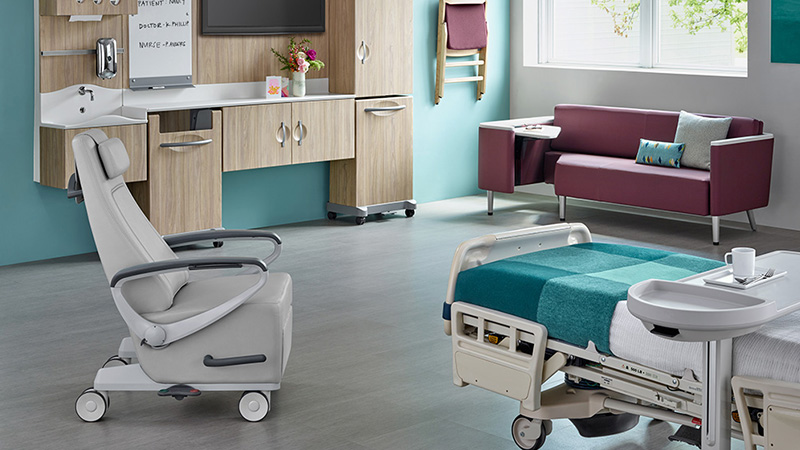
Strict cleaning routines protect patients, doctors, nurses, and support staff from harmful germs. Every surface receives regular cleaning, and furniture faces this routine several times each day. Chairs, beds, cabinets, tables, trolleys, and workstations all come into contact with hands, liquids, dust, and cleaning products.
Good design helps each item stay strong and useful during this demanding routine. This makes durable hospital furniture in Dubai an important part of daily hospital hygiene.
Smooth and sealed surfaces
Furniture with smooth surfaces gives cleaning staff an easier job. Flat panels, sealed edges, and limited gaps leave fewer spots where dirt and germs can settle. Staff members wipe these areas with approved cleaning products after use or at scheduled intervals. Rounded corners also make wiping quicker and reduce hidden dirt around edges.
Materials that handle disinfectants
Strong furniture materials must handle repeated exposure to disinfectants. Stainless steel, treated metal, high-grade plastics, and suitable coated surfaces resist common cleaning chemicals. Manufacturers select materials that maintain their structure and finish during regular cleaning. This helps furniture remain useful despite frequent contact with disinfectant solutions.
Resistant finishes support daily use
A strong finish gives furniture another layer of protection. Quality coatings resist stains, moisture, scratches, and chemical damage. Staff members clean beds, cabinets, tables, and chairs without worrying about quick surface wear. A reliable finish also keeps furniture looking neat across long periods of daily use.
Simple designs speed up cleaning
Simple furniture designs help cleaning teams work faster. Large flat sections, accessible corners, and fewer decorative details reduce cleaning time. Drawers and cabinets also work better when their handles and edges allow easy wiping. Furniture designers focus on practical details that support busy hospital routines.
Durability reduces replacement costs
Constant cleaning puts physical and chemical stress on furniture. Weak materials may crack, peel, rust, or lose their finish after repeated exposure. Durable construction handles this pressure and gives each item a longer working life. Hospitals save money when furniture stays reliable instead of requiring frequent replacement.
Hygiene starts with smart furniture choices
Clean furniture supports a cleaner hospital environment. Staff members can wipe suitable surfaces quickly, remove visible dirt, and apply approved disinfectants according to facility guidelines. Strong materials and practical designs also support daily operations without adding extra work. When hospitals select furniture for durability, easy cleaning, and hygienic use, they gain dependable equipment that supports staff and patient comfort every day.