
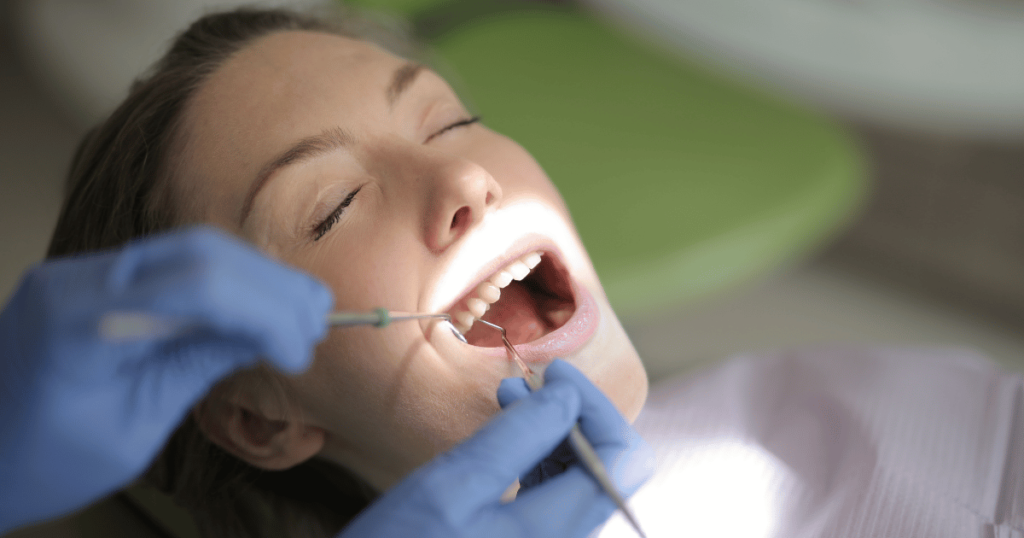
A little plaque around the gumline may seem harmless, but neglected buildup can lead to painful and expensive dental trouble. Regular professional cleaning gives your dentist a chance to remove stubborn deposits and spot early warning signs.
With routine dentist teeth cleaning, patients protect their gums, preserve natural teeth, and avoid complications before minor concerns grow into serious problems.
Removes plaque and hardened tartar
Daily brushing and flossing remove much of the soft plaque that gathers on teeth. However, missed areas allow deposits to harden into tartar, which a toothbrush cannot remove. Dental hygienists use professional instruments to clear buildup around teeth and gumlines. Regular cleaning limits bacterial accumulation and lowers the risk of cavities and gum inflammation.
Helps prevent gum disease
Plaque bacteria irritate gum tissue and may cause redness, swelling, and bleeding during brushing. Without treatment, gum inflammation can progress into periodontitis, which damages supporting bone and tissue. Professional cleaning removes deposits that contribute to irritation. Your dentist also checks gum pockets and recommends suitable care when warning signs appear.
Reduces the risk of tooth decay
Bacteria in plaque produce acids that weaken enamel and encourage cavities. Cleaning removes deposits around difficult areas, including the back teeth and spaces near the gums. Your dentist may also identify early enamel changes and suggest fluoride treatment or improved home care before decay reaches deeper tooth layers.
Helps detect problems early
A routine cleaning appointment gives the dental team an opportunity to examine teeth, gums, and existing restorations. They may notice cracks, worn fillings, unusual spots, or signs of infection. Early detection allows timely treatment and may prevent a small issue from developing into pain, swelling, or extensive dental work.
Supports fresher breath
Bacteria and trapped food particles contribute to unpleasant breath. Cleaning removes plaque and tartar that collect around teeth and along the gumline. Your hygienist may also recommend tongue cleaning, flossing, and better brushing habits. Persistent bad breath deserves a dental assessment because gum disease, decay, and other conditions may contribute.
Protects your long term dental health
Regular visits help your dentist track changes and recommend cleaning intervals that suit your oral health. People with gum disease, braces, or certain medical concerns may require more frequent reviews. Professional care works alongside daily brushing, flossing, and balanced food choices to support healthy teeth and gums.