
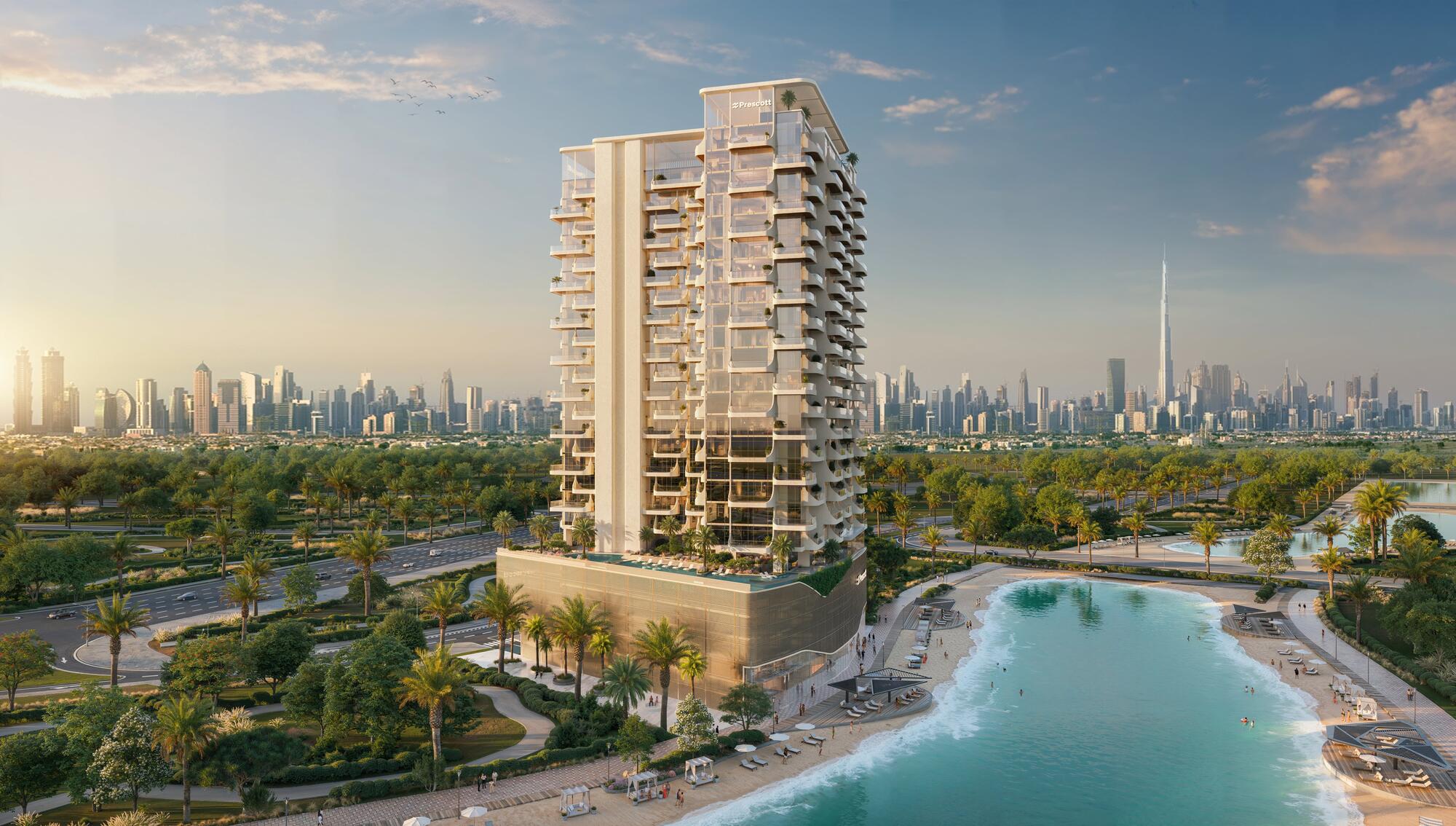
Real estate development turns land and ideas into homes, offices, retail spaces, and mixed-use communities. It combines research, finance, design, construction, marketing, and sales under one project. For beginners, the field may seem complex at first, but its core stages follow a clear structure. Learning these basics gives new investors and property enthusiasts a stronger foundation for understanding Dubai development real estate and its growing opportunities.
What real estate development means
Real estate development starts with an idea for a property project. A developer studies available land, local demand, zoning rules, infrastructure, and potential returns. The project may involve a residential building, office complex, shopping center, hotel, or large community.
Developers bring together architects, engineers, contractors, financial partners, legal professionals, and marketing teams. Each specialist handles a specific part of the project, helping move the concept from an initial proposal toward completion.
The main stages of development
Site selection usually marks the starting point. Developers assess location, land prices, surrounding facilities, transport links, zoning regulations, and market demand.
Next comes feasibility research. Financial experts estimate land costs, construction expenses, taxes, financing charges, expected sales prices, and possible returns. Developers also review planning regulations and obtain the required approvals.
Design follows feasibility work. Architects prepare plans that match the project vision and local regulations. Engineers then develop structural, electrical, plumbing, and other technical details.
Construction begins after approvals and financing arrangements reach the required stage. Contractors organize workers, materials, equipment, and schedules while project managers monitor progress and budgets.
How developers make money
Developers usually earn through property sales, leasing, or a combination of both. A residential developer may sell completed apartments, while a commercial developer may retain ownership and generate rental income.
Profit relies heavily on accurate cost estimates and market demand. Rising construction costs, slower sales, financing charges, regulatory changes, or weak demand may reduce returns. Strong market research helps developers make informed financial decisions.
Why location matters
Location has a major effect on property demand and future value. Access to schools, offices, shopping areas, roads, public transport, and community facilities can attract buyers and tenants. A developer also studies nearby projects and future infrastructure plans. These factors provide clues about potential demand and competition.